
Describe the property
Send the location, symptoms, equipment and access details. State whether the work is a repair, replacement or planned project.
Need duct cleaning in Richmond Hill? Tell us which air ducts, dryer vent or ventilation equipment need attention. A responding provider will confirm coverage and availability before booking.
Get A Free QuoteCompare whole-home supply and return cleaning scopes, including trunk lines, branches, boots and how before-and-after duct photos will document accessible areas.
View scopeCheck whether the scope follows the entire route from dryer connection to exterior hood, including elbows and long horizontal sections, and asks how airflow will be checked.
View scopeCompare proposals for blower wheel and housing cleaning or in-place evaporator coil washing, with equipment access and control protection specified.
View scopeClarify whether service includes the HRV core, screens and condensate paths, plus concealed bathroom or range exhaust ducts through to their exterior caps.
View scopeReview whether duct cleaning comes first, then verify the proposed product, label directions and re-entry guidance before considering odour treatment.
View scopeCompare inspection and leak-testing plans for altered ducts, return-side joints, crushed flex and detached boots, including proposed repair materials.
View scopeDefine which duct areas, rooftop units and make-up air equipment are included, and agree on the photos and written records needed for building files.
View scopeFor a Richmond Hill office, clinic, dental practice or restaurant, start by defining which air-handling equipment and duct areas are included. Ask whether make-up air systems, rooftop units and long duct runs require separate inspection, and whether work can be planned around operating hours. Property managers can share access details and documentation requirements in advance. Comparing written scopes, photos and records helps clarify what a proposal covers without assuming a particular schedule or insurer’s requirements.
Compare whole-home supply and return cleaning scopes, including trunk lines, branches, boots and how before-and-after duct photos will document accessible areas. Check whether the scope follows the entire route from dryer connection to exterior hood, including elbows and long horizontal sections, and asks how airflow will be checked. Compare proposals for blower wheel and housing cleaning or in-place evaporator coil washing, with equipment access and control protection specified.
Clarify whether service includes the HRV core, screens and condensate paths, plus concealed bathroom or range exhaust ducts through to their exterior caps. Review whether duct cleaning comes first, then verify the proposed product, label directions and re-entry guidance before considering odour treatment.
Compare inspection and leak-testing plans for altered ducts, return-side joints, crushed flex and detached boots, including proposed repair materials. Define which duct areas, rooftop units and make-up air equipment are included, and agree on the photos and written records needed for building files.
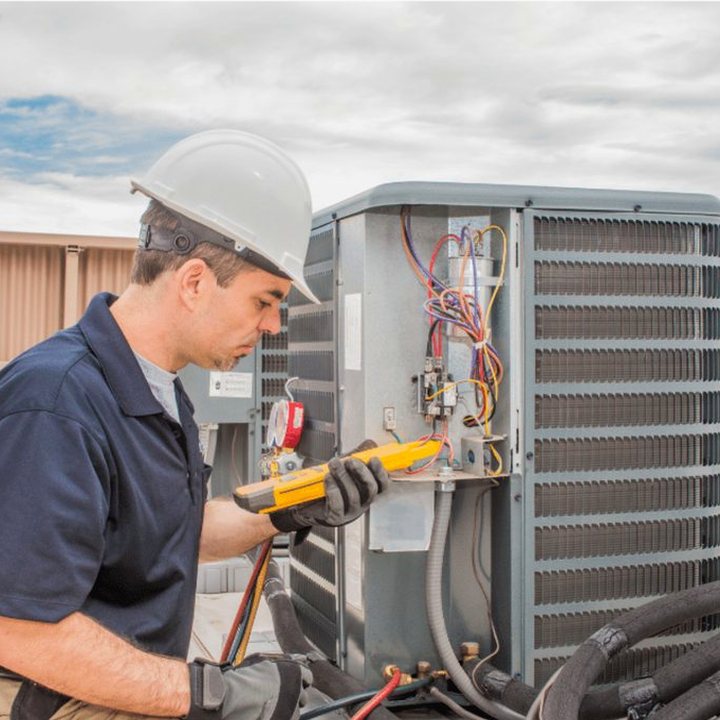
If a Richmond Hill dryer takes longer than expected, smells hot, or vents through a long route, inspect the full path before assuming the appliance is at fault. The route may rise from a basement, pass through elbows or finished ceilings, and end at an exterior hood. Ask how the proposed service reaches the pipe from the dryer connection to that hood, how bends and horizontal sections are handled, and how airflow will be checked afterward.
Explore this serviceSend the location, symptoms, equipment and access details. State whether the work is a repair, replacement or planned project.
The request is reviewed so the responding provider can clarify the work, property access and service coverage.
Agree the provider identity, qualifications, written scope, pricing and visit window directly. Sending a form does not confirm an appointment.
Identify rooftop units, make-up air equipment and long duct runs that may need inspection. Ask which are included, which require separate access or pricing, and what could change the estimate. A written scope based on the equipment and accessible areas helps avoid treating a complex system as a standard small-space cleaning.
Ask what views of the duct interiors can be photographed before and after cleaning, and which areas may be inaccessible. Photos can help you understand the condition of the system and compare completed work with the agreed scope, particularly when access is limited by a finished basement or other building finishes.
Ask whether the return ducts and their joints will be checked, especially where they pass above a drop ceiling or near finished spaces. A return-side leak can draw air from outside the intended return path. Knowing which joints are actually leaking helps define a targeted sealing scope.
Ask whether the scope includes the connection behind the dryer, the entire vent pipe and the exterior termination. Lint buildup can create a fire hazard, so a partial clean may leave material behind. Share photos of the dryer location and outside hood to help clarify access and route length.
If a bathroom fan or range hood runs through a finished ceiling or long duct, ask how the full route and exterior cap will be reached. Share photos of the fan, hood and outside termination where possible. The route and access points determine whether end-to-end cleaning is practical.
Use the form to describe the property, the symptoms and the work requested. For Oak Ridges, Thornhill, Markham, Aurora, include your postal code so local coverage can be checked.
Use the listed places to find service information or start an inquiry. Include your property address or postal code so the provider can confirm coverage and scheduling.